Journalism is an essential part of society. In its most basic form, journalism provides the public with relevant, factual information. But of course, journalism is much more than that; journalism can shed light on corruption, encourage debates about controversial issues and expose people to new perspectives. The integrity and freedom of the press are invaluable, so their protection should not be taken lightly.
As is often the case in many professional fields, there is a significant gender gap between men and women in journalism. A Reuters Institute study of 240 major news outlets across five continents found that around 40% of journalists at these outlets are women. The gender gap in women’s leadership positions in the industry is even wider, with only 24% of top editors at these outlets being women. This disparity between men and women is caused by several factors. Women who work as television reporters are often held to higher standards of physical attractiveness than their male counterparts. In addition, a Pew Research study found that American female journalists are more likely to cover health, education and family issues, while male journalists are more likely to cover sports, politics and science. Gendered expectations of what journalists report about make it difficult for women to break into stereotypically male subject matters and vice versa.
The issue of sexism in journalism is present all around the world, but is especially prevalent in places where women face the most significant obstacles to entering the professional sphere. Women and girls in the Middle East and North Africa (MENA) region struggle with serious barriers to gender equality. The MENA region has one of the lowest scores in the world on gender equality indices. Across this region, it is difficult for women to gain access to education and women are at an increased risk of sexual violence and human trafficking. A lack of higher education, combined with consistent threats of violence, has made it very difficult for women from the MENA region to enter the journalism field.
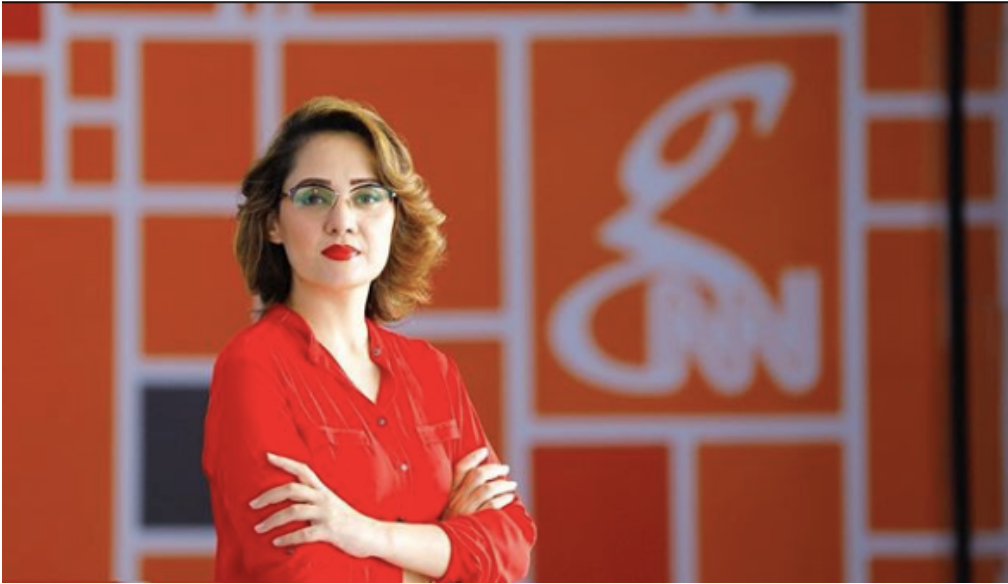
Despite these barriers, a growing number of women have defied the odds and become reporters and journalists. Most, if not all, of these women have impactful stories about the daily challenges they go through while doing their jobs. A survey published by the Jordan Times found that 54.7 percent of female journalists in Jordan have experienced online harassment during their careers. In Jordan, digital violence towards female reporters takes many forms, whether it be via hateful direct messages or doxxing (posting a person’s private information online). The issue of online harassment is not exclusive to Jordan; it exists throughout the greater MENA region and the world. Gharidah Farooqi, a reporter for News One in Pakistan, says she has been stalked, harassed and sent death threats online. In her interview with the Washington Post, Farooqi mentioned that while all reporters face online harassment, the hate faced by men and women is different: men are attacked for their opinions, while women are attacked for their appearances and their bodies.
“Reading about the threats female journalists face makes it clear that speaking the truth can come at a dangerous cost. No one should have to risk harassment or violence just for doing their job,” said Kiran Dhaliwal ’26.

In areas where there is already limited press freedom, female journalists who dare to report the truth often find themselves in dangerous situations. Parisa Salehi is an Iranian economics reporter who made headlines earlier this year when she was arrested for “spreading propaganda against the system.” Salehi, a writer for the Iranian state-run newspaper Donya-e-Eqtesad, was sentenced to five months in prison and a two-year ban from leaving the country or using social media. According to the Committee to Protect Journalists, the Iranian government has not revealed specific information about what Salehi wrote that led to her arrest. Saba Etizaz is a journalist who was working for the BBC in Pakistan when Taliban militants issued an order for her and her colleagues to be shot on sight. Etizaz received messages that she was “living on borrowed time”, so she fled to Canada. She stated that even today, she receives misogynistic online messages that target her for working as a journalist in Canada. In Lebanon, the economic situation is tumultuous and the nation has been facing a political crisis after attempts to overthrow the authorities. After journalist Dima Sadek dissented against right-wing Lebanese factions and was handed a one-year prison sentence, her personal details were published online and she faced a vicious campaign of cyberbullying. Journalists of either gender who speak out about the situation in Lebanon face repression and censorship, but women face significantly more threats of violence than their male counterparts.
Both the online and physical abuse of female journalists in the greater Middle East and North Africa region have been well-documented. Furthermore, the violence directed toward women in journalism may very well have an impact on both the freedom of the press and the greater fight for women’s rights. A study conducted by the International Center for Journalists found a correlation between online attacks and physical abuse toward female journalists. Increasing violence towards women in the field will inevitably result in fewer women in the field over time. The notion that women do not belong in journalism, or the idea that women do not belong in the professional sphere at all, will not be disproven if the number of women in journalism decreases. Additionally, fewer women in the field will lead to a lack of diversity among journalistic perspectives.
“When women in journalism are silenced through fear or intimidation, society loses important voices and perspectives. Protecting female reporters is crucial so we can protect the freedom of the press itself,” said Anjiya Lalani ’27.
A long-term solution to sexism in the journalism industry is education that raises awareness about implicit biases against women in the MENA region and provides more representation of women in power for young girls to see. By emphasizing women’s representation in educational settings, both male and female students in the MENA region will come to expect women’s participation in professional fields, such as journalism. Female influence on school curricula could be increased if programs were established that invited professional women to come into schools and share their experiences. For female students in the MENA region, hearing people who look like them describe their experiences as reporters and journalists could encourage them to realize their goals of entering the media industry.
In addition, classroom visits by female journalists could have an equally great impact on male students by showing them that women can exist in the professional world just as successfully as men can. When visiting schools, female journalists could also talk about gender-based violence that they have faced and the familial and social pressures to turn away from the media industry overall. By discussing these aspects of their daily lives impacted by cultural stereotypes rooted in sexism, female journalists may be able to convey to students the severe consequences of these stereotypes and inspire the younger generations to challenge them in the future.
In the short term, female journalists should be provided with increased digital security. The use of two-factor authentication on journalists’ accounts significantly reduces the risks of hacking. Journalists should be given encryption software to protect their email accounts, social media accounts and data. Software such as ProtonMail and VeraCrypt can be used to secure email accounts and encrypt files. In particularly dangerous areas, journalists can disable location sharing on their cell phones to stay anonymous. The use of virtual private networks can prevent journalists from being tracked digitally and protect their confidential online communications.
Through increased digital security in the short term and a reversal of implicit biases against women through education in the long term, I hope that female journalists in the MENA region will be able to overcome the violence they face and receive equal treatment to their male counterparts.